How to Increase Your Domain Rating: A Beginner’s Guide to Link Building and SEO Authority
Just launched a brand-new website and wondering why it’s still invisible on Google? You’re not alone, and the answer often comes down to one critical metric: Domain Rating, or DR.
In this guide, we’ll break down what DR is, why it matters, and exactly how you can start improving it with smart, ethical link-building strategies. Whether you’re starting from zero or trying to push past a plateau, this is your roadmap.
What is Domain Rating (DR)?
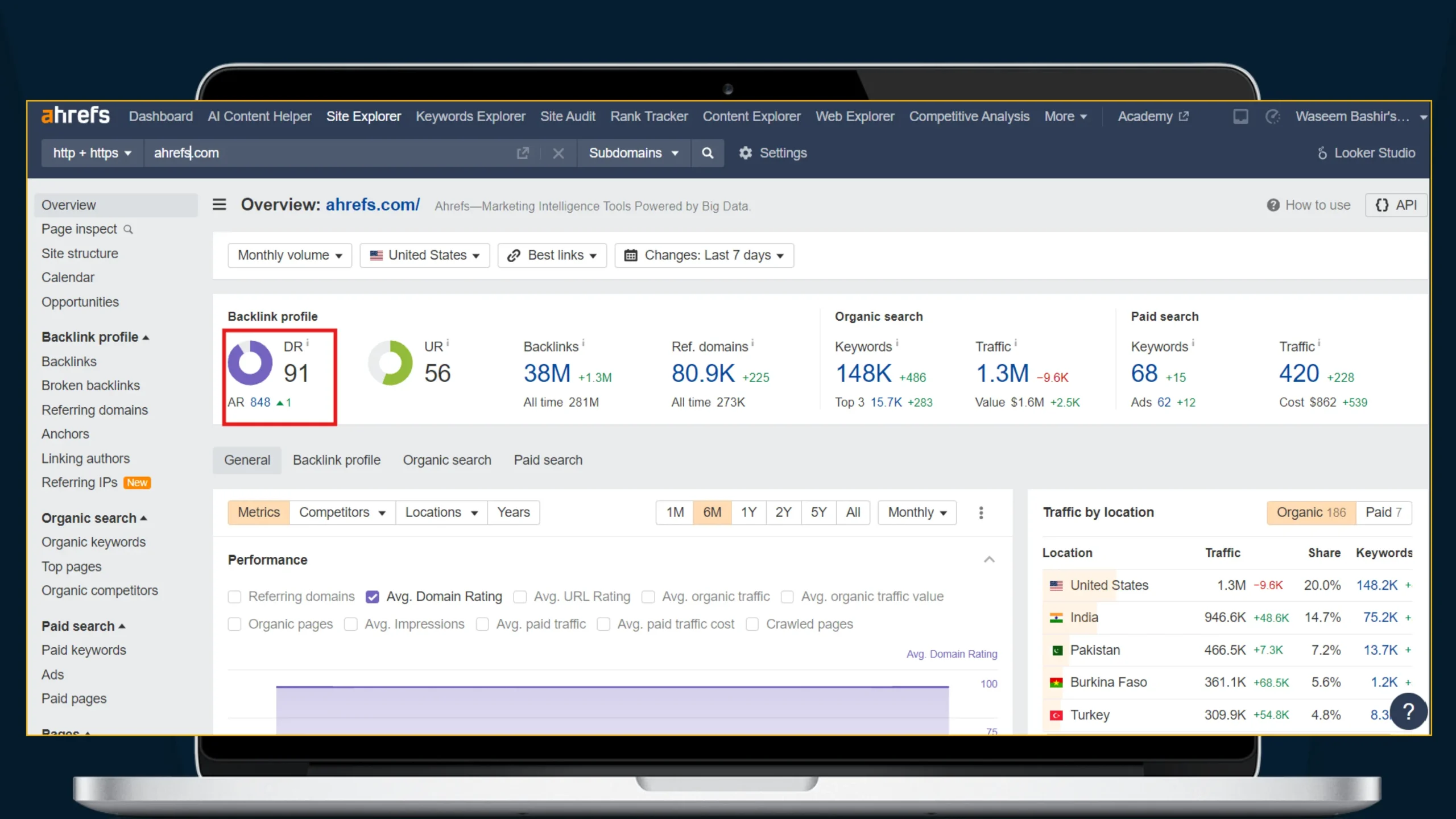
Domain Rating is a metric developed by Ahrefs that measures the strength of a website’s backlink profile on a scale of 0 to 100. The higher your DR, the more authoritative your site appears to search engines, and the better your chances of ranking in competitive search results.
DR is a relative metric, meaning it’s calculated based on how your backlink profile compares to every other site in Ahrefs’ database. It’s not just about how many backlinks you have; it’s about the quality of the websites linking to you and how they distribute their link equity across the web.
For marketers and SEO professionals, DR is one of the clearest signals of a site’s overall backlink health and its potential to rank well organically.
How is Domain Rating Calculated?
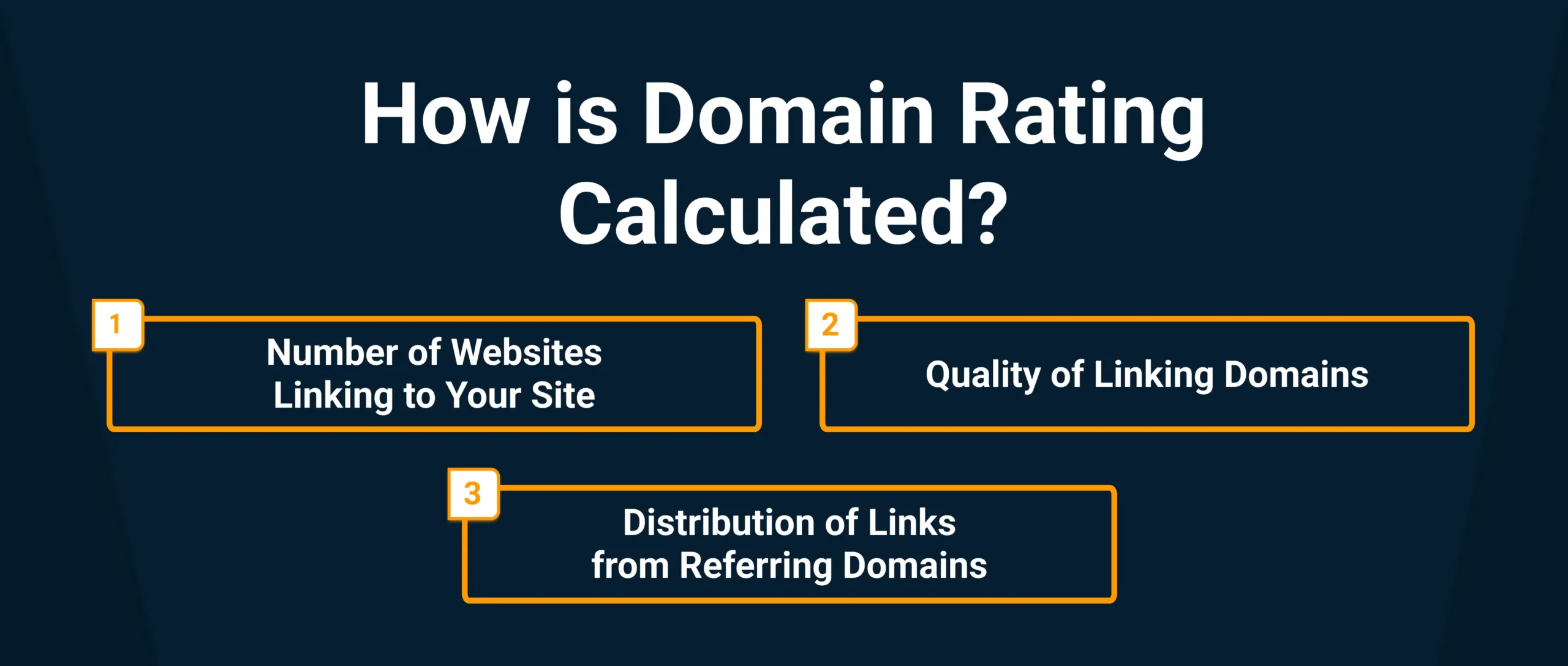
Three key factors determine your DR:
1. Number of Referring Domains The total number of unique websites linking to your site matters, but only do-follow links count toward DR. Links marked as nofollow, UGC, or sponsored are excluded. Multiple links from the same domain also don’t stack; only the first referring domain counts.
2. Quality of Linking Domains A single backlink from a high-authority site carries far more weight than dozens of links from low-quality ones. As a linking site’s own DR grows over time, the value it passes to your site increases too, which makes targeting high-potential websites a smart long-term play.
3. Link Distribution from Referring Domains Not every link from a high-authority domain is equal. A site that links to thousands of pages distributes its link equity thinly across all of them. A site with fewer outbound links passes more concentrated value to each one.
Why Backlinks Are the Engine Behind DR Growth
Backlinks, also called inbound links, are created when an external website links to a page on your site. They serve a dual purpose: bringing referral traffic from other platforms and signaling to search engines that your content is trustworthy and worth ranking.
Think of it this way: if BBC (DR 93) links to your site, Google interprets that as a strong vote of confidence. That single link can meaningfully move your DR.
New sites start at a DR of zero, but the moment you begin acquiring quality backlinks, that score starts climbing. Reaching DR 50, 60, or even 70 takes time, but it’s entirely achievable with a consistent strategy.
Do-Follow vs. No-Follow Backlinks
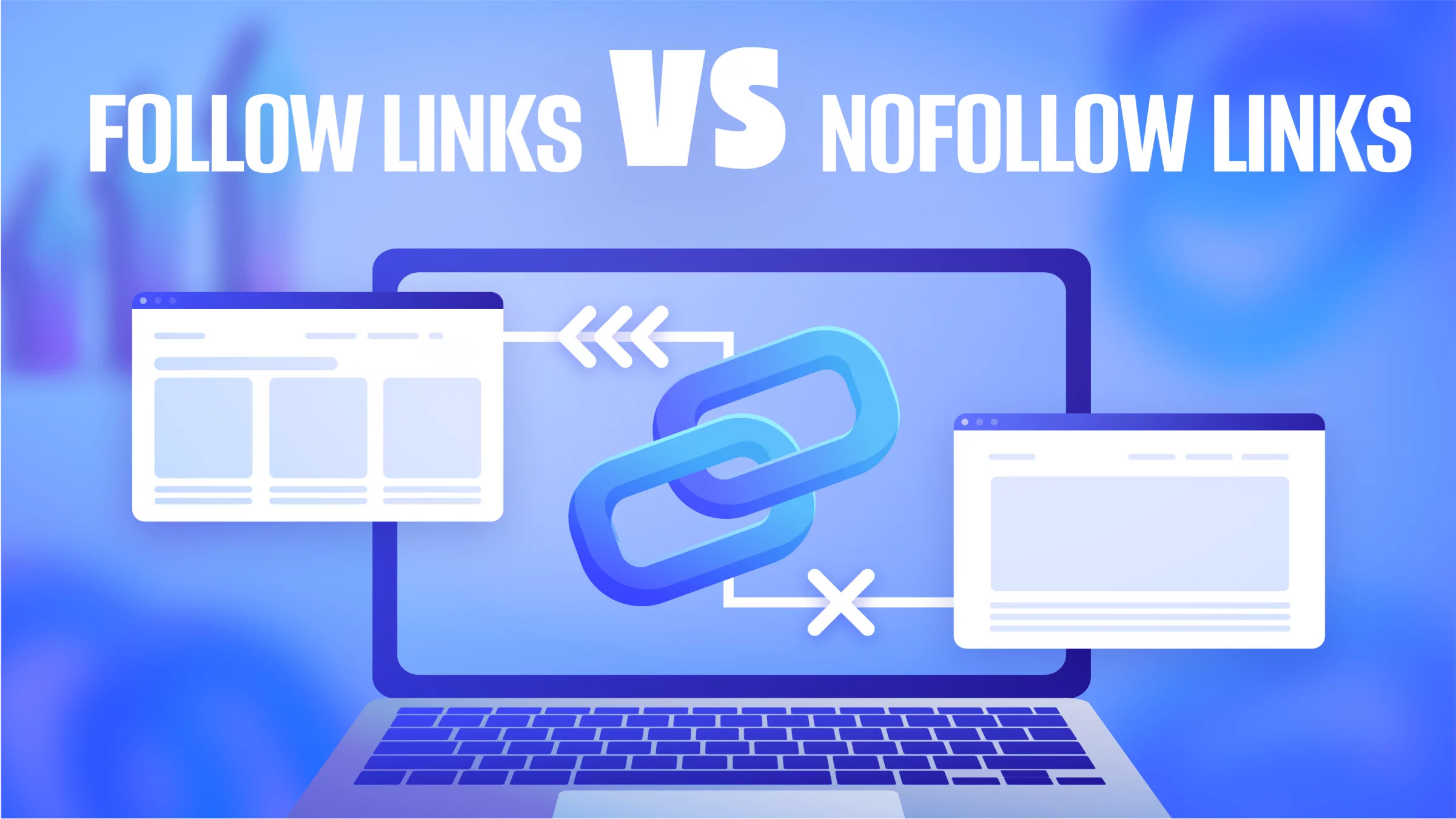
Not all backlinks are built the same:
- Do-follow links transfer link equity from the referring site to yours, directly improving your DR and search rankings. These are the gold standard, typically found in editorial content, blog posts, and news articles.
- No-follow links include an HTML attribute instructing search engines not to pass link equity. They don’t directly boost DR, but they still drive referral traffic and contribute to your overall online presence. Common in comments, ads, and sponsored content.
How High-Authority Backlinks Impact Your SEO
Boosting DR: Backlinks from reputable domains transfer link equity to your site, making it appear more authoritative to search engines. The stronger the referring domain, the greater the impact.
Improving Rankings: Search engines treat authoritative backlinks as endorsements. More endorsements from trusted sources means higher rankings for competitive keywords, and more efficient crawling and indexing of your pages.
Driving Organic Traffic: Visitors arriving from high-authority sites tend to be highly engaged and relevant. This quality traffic improves on-site metrics like time-on-page and click-through rates, further strengthening your site’s reputation over time.
7 Backlink Building Strategies for Beginners
1. Leverage Your Existing Websites
If you own other web properties or have partnerships, use them. A link from your established agency site to your new domain can push DR from 0 to 5 quickly, giving you an early credibility boost in search engines.
2. Link Exchanges (ABC-Style)
In an ABC link exchange, Site A links to Site B, and Site B links to Site C (yours). This keeps the exchange from appearing reciprocal, which Google tends to flag. Just make sure every exchange is topically relevant, since Google penalizes unnatural linking patterns.
3. Guest Posting
Reach out to blogs and publications in your niche and offer to contribute valuable content in exchange for a backlink. Done right, guest posting earns you credible links, establishes your authority, and puts your brand in front of new audiences.
4. Invest in Paid Backlinks (Strategically)
Organic link building is always the preferred long-term approach, but paid placements on high-authority sites like Forbes can fast-track early DR growth. It’s a bigger investment, so use it selectively alongside organic strategies rather than as a replacement.
5. Use Press Release Services
Platforms like BrandPush can place your content in front of outlets like Yahoo Finance and Business Insider. High-authority media backlinks are among the most impactful you can earn, and press releases offer a scalable way to get them.
6. Optimize Your Social Media Profiles
Set up complete profiles on LinkedIn, Twitter, Facebook, and other relevant platforms, all linking back to your website. Social links carry less direct SEO weight than editorial backlinks, but they expand your web presence and signal legitimacy to search engines.
7. Answer Industry Questions on Expert Platforms
Sites like Feature.com let you contribute expert insights in exchange for backlinks from publications like FastCompany. It’s a low-effort, high-reward strategy that builds both DR and your professional credibility.
How to Track and Monitor Your DR Progress
Consistent monitoring is what separates a strategy from guesswork. Here’s a simple workflow:
- Set up Ahrefs or Moz: add your domain to the dashboard and begin tracking DR and referring domains from day one.
- Monitor your backlink profile: regularly check total backlinks, new referring domains, and lost links. Losing a high-DR backlink can drag your score down, so investigate every loss.
- Evaluate link quality: use DR and URL Rating (UR) scores to assess the authority of sites linking to you. Flag low-quality or spammy sources.
- Disavow toxic backlinks: use Google Search Console’s Disavow Tool to tell Google to ignore links from link farms or irrelevant, low-quality sites.
- Track keyword rankings: watch how your rankings shift as your DR grows. This connects your link-building work directly to real search visibility outcomes.
- Spy on competitors: analyze which high-authority domains are linking to competing sites and target those same sources for your own outreach.
- Create regular reports: document progress over time to identify what’s working and where to double down.
Real Results: How LinkPanda Took UX 4Sight from DR 29 to DR 50
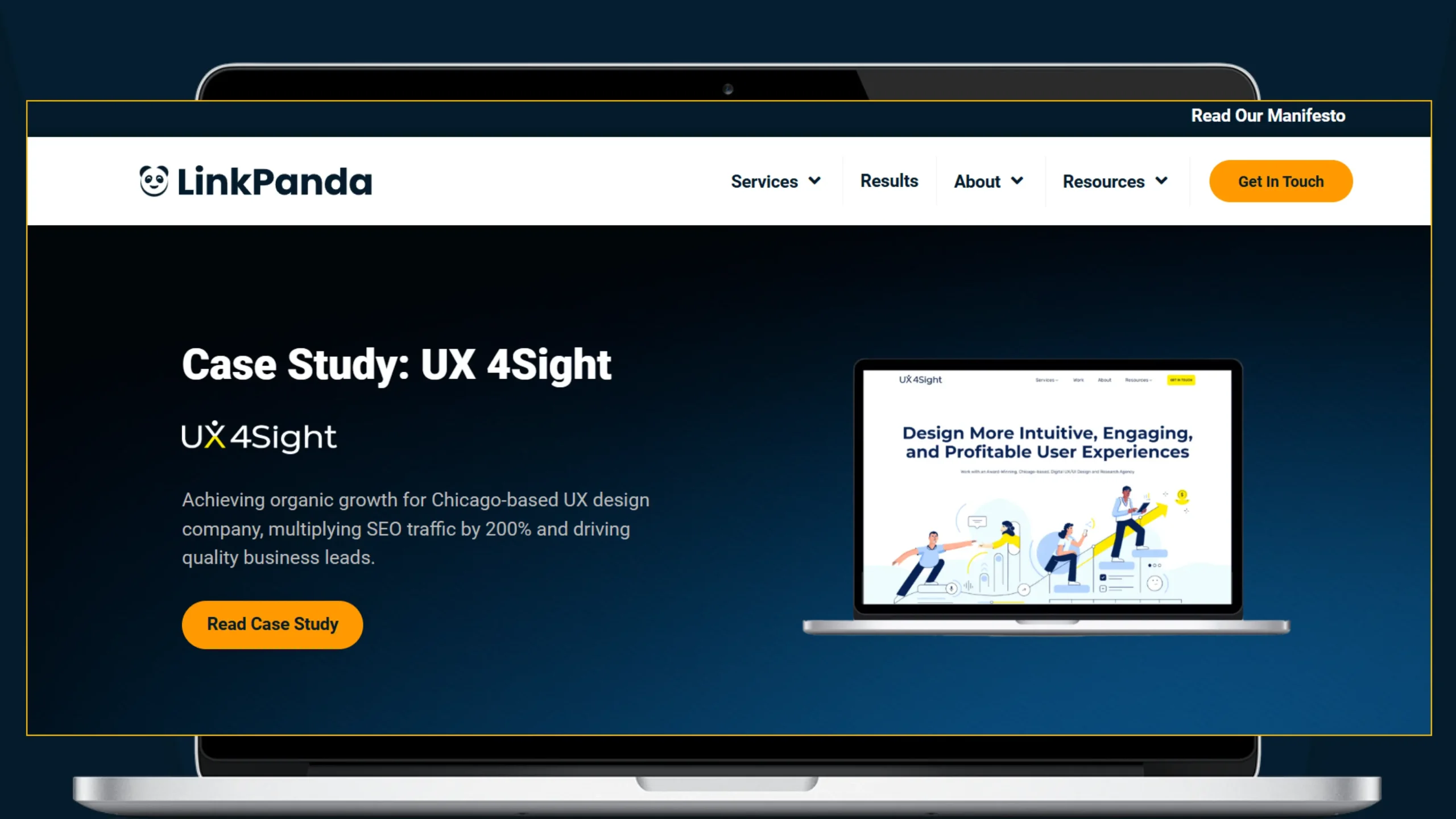
To see these strategies in action, look no further than UX 4Sight. Through a targeted campaign that included acquiring over 120 high-authority backlinks, LinkPanda helped the site achieve a 99% increase in SEO traffic and a significant jump in keyword rankings, growing DR from 29 to 50.
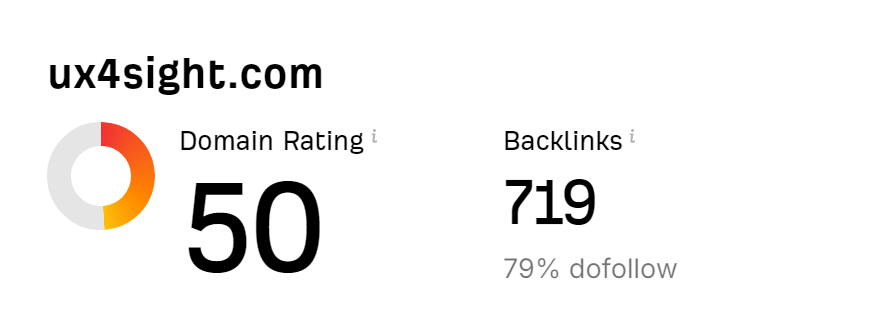
This kind of growth doesn’t happen overnight, but it does happen with a clear strategy and consistent execution. Read the full case study here.
Frequently Asked Questions
Why is my Domain Rating dropping? DR is measured on a logarithmic scale, so losing even a handful of high-quality backlinks can cause a noticeable drop. Check your backlink profile for recently lost or removed links.
How long does it take to improve DR? Increasing DR is a long-term investment, typically months to years depending on your starting point, content quality, and the pace of your link-building. Sites with strong existing authority tend to see faster movement.
How can I improve DR for free? Focus on guest posting, broken link building, and creating genuinely link-worthy content that earns backlinks naturally over time. These strategies require effort rather than budget.
Final Thoughts
A strong Domain Rating doesn’t just help you rank; it builds lasting credibility, accelerates indexing, and compounds over time as your backlink profile grows. The sites that win on Google aren’t the ones that cut corners; they’re the ones that invest in ethical, consistent link building.
If you’re ready to take your site from invisible to impactful, start with the strategies in this guide, track your progress, and don’t hesitate to bring in expert support when you need it. Let’s build something worth ranking.
About The Author

Anaan Masoodi
A skilled link builder specializing in ethical SEO practices, Anaan focuses on acquiring high-quality backlinks that enhance website authority and search rankings. With a deep understanding of digital marketing strategies, he leverages outreach, guest posting, and content-driven approaches to build valuable relationships and drive sustainable growth for businesses.