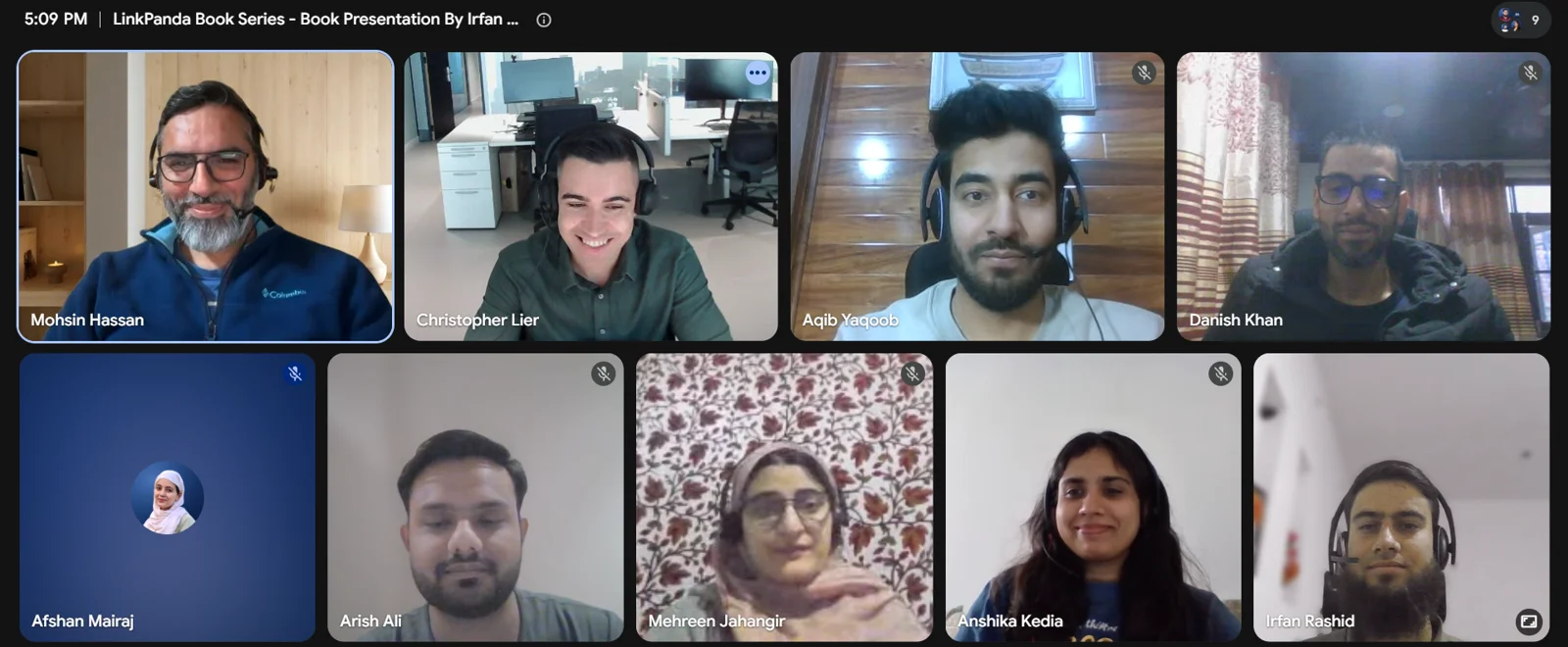
On 6 November 2026, our team met online for the very first session of the LinkPanda Book Series. Irfan Rashid, our SEO and GEO Specialist, presented Extreme Ownership by Jocko Willink and Leif Babin after two months of reading and preparation.
It is a book about Navy SEALs in combat, but almost every chapter felt like it was written about our own work. This post covers how our Book Series works, what the book says, and the four lessons we are now bringing into our daily work across sales, SEO/GEO and link building.
How the LinkPanda Book Series Works
The format is simple. One team member reads a book, then presents it to everyone in a live session, followed by open discussion and questions.
The presenter is picked by luck. We write every team member’s name on a slip of paper, and one name is drawn at random. The selected person is then given a book to read.
Whoever is picked gets two months to read the book and prepare. That is enough time to read properly, take notes and connect the ideas to our daily work, which is the whole point.
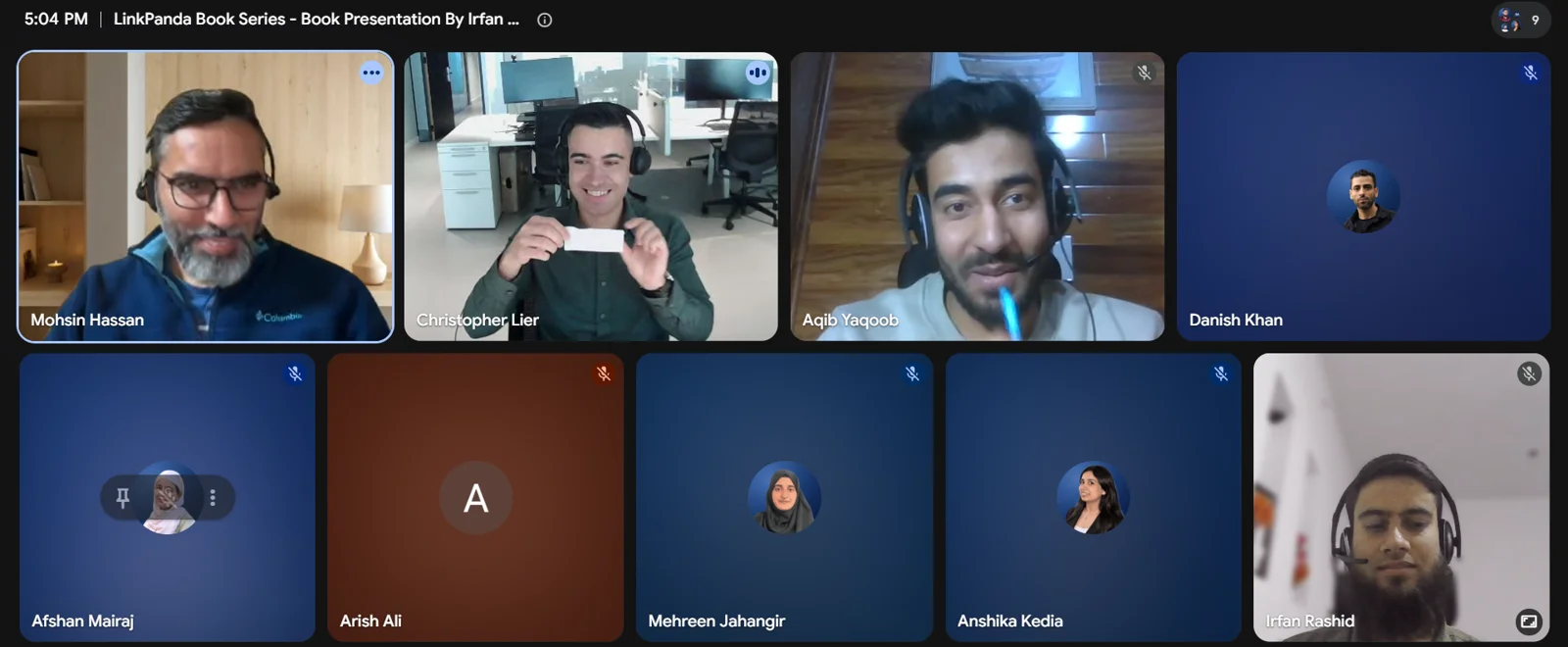
The draw itself is part of the session. Chris held it on paper, live on the call, so everyone could see the name come out.
Extreme Ownership in One Minute
Jocko Willink and Leif Babin are former U.S. Navy SEAL officers. Jocko commanded Task Unit Bruiser, and Leif was one of his platoon commanders during the Battle of Ramadi in Iraq in 2006.
Task Unit Bruiser became the most highly decorated special operations unit of the Iraq War.1 After leaving the Navy, the two founded Echelon Front, a leadership consulting company, to teach the same principles to businesses.2
The book became a #1 New York Times bestseller.3 It has twelve chapters in three parts, and every chapter follows the same pattern: a combat story, the leadership principle behind it, and a real business case.
12 Principles in 3 Parts
02 No Bad Teams, Only Bad Leaders
03 Believe
04 Check the Ego
06 Simple
07 Prioritize and Execute
08 Decentralized Command
10 Leading Up and Down
11 Decisiveness amid Uncertainty
12 Discipline Equals Freedom
The idea that ties all twelve together is in the title. Leaders must own everything in their world, with no one else to blame. And the authors are clear that a leader is anyone responsible for an outcome, not just a manager.
The Story That Sets the Tone
The book opens with the worst thing that can happen in combat. During an operation in Ramadi, friendly units fired on each other by mistake. An Iraqi soldier was killed and a SEAL was wounded.
As commander, Jocko expected to lose his job. At the debrief he asked his team whose fault it was. Several men stood up and each owned a piece of it.
Then Jocko said it was his fault, because he was responsible for the plan, the training and the people. His bosses did not remove him. They trusted him more, because he owned the failure and showed how to fix it.
Key Point: Owning a mistake is not about taking blame for its own sake. It is about asking what we could have done differently, because that is the part we actually control.
Four Lessons We Are Bringing Into Our Work
LinkPanda runs sales, SEO/GEO and link building teams, and all three depend on people and systems we do not control: prospects, publishers, editors, search engines and busy clients.4 That makes it very easy to point outward when something slips. These four principles push the other way.
1. Own the Outcome
When a deal stalls, rankings drop or a placement goes live late, the easy explanation points outward: the prospect went quiet, Google changed something, or the site owner did not reply. Extreme Ownership asks a harder question: what could we have done differently?
Maybe we could have followed up sooner, prepared a backup option, or told the client earlier. That applies everywhere, from sales follow-ups to SEO campaigns to outreach: a plan B before we need it.
2. Keep It Simple
In the book, Jocko cut a young officer’s long, risky patrol route down to a few hundred meters. When the patrol was attacked, its leader sent one clear radio message and help arrived fast.
For sales, simple means a proposal a busy prospect understands in a minute. For SEO and link building, it means a client report that says what we did, what changed and what comes next, which is how we approach link building reporting. If a teammate needs three questions before starting a task, the brief was not simple enough.
3. Prioritize and Execute
Leif’s team once had a suspected bomb at their only exit, an injured SEAL who had fallen through a roof, and no headcount, all at once. He used a phrase from SEAL training: “Relax. Look around. Make a call.” Then he handled one problem at a time.
With many prospects, clients and campaigns running together, everything can feel urgent. Each morning, we pick the one task per account or deal that matters most and finish it before touching the rest.
4. Lead Up and Down
Leif was once angry at his bosses for asking too many questions before approving missions. Jocko told him that if the bosses do not understand, it is our job to explain better.
For us, that means flagging timeline risks early instead of hoping they go away.5 When we hand over a task, we explain the why, not only the what.
Blaming vs Owning, in Practice
“Google changed something.”
“The publisher did not reply.”
“That was not our part of the handover.”
“We flagged the drop with a recovery plan.”
“We have a backup site lined up.”
“Here is the risk, the reason and our fix.”
None of this needs a new tool or process. It is a change in the first question we ask when something goes wrong.
One Commitment We Are Starting With
The principle that hit hardest in the room was Extreme Ownership itself. In our work, it is easy to blame a slow publisher or a late client reply, but there is always something within our control.
Irfan closed the talk with a simple commitment that the whole team can adopt: flag any deadline risk on the same day we see it, with the reason and a proposed fix. It is a small habit, and it is exactly the kind of discipline the book says creates freedom later.
Why We Read Books Together
Reading a book alone gives one person ideas. Presenting it to the team means understanding it well enough to explain it simply, and connecting it to our real accounts and real deadlines.
It also gives the whole team a shared language.6 After this session, “own the outcome” and “relax, look around, make a call” are phrases we can use with each other, and everyone knows what they mean. That shared standard is part of what we describe in our manifesto.7
Work With a Team That Owns the Outcome
Clear communication, honest timelines and real results across SEO, GEO and link building.
If you have read Extreme Ownership, we would love to hear which principle changed how you work. For us, it was the reminder that the first question is always what we could have done better.
Frequently Asked Questions
LinkPanda Link Building: Frequently Asked Questions
External Sources

Eagles Talent Leif Babin: Speaker Profile
Profile of Leif Babin noting that Task Unit Bruiser became the most highly decorated special operations unit of the Iraq War.
Beyond the Uniform BTU #333: Jocko Willink and Leif Babin
Profile of Jocko Willink and Leif Babin and their leadership consulting company, Echelon Front.
MIT Press Bookstore Extreme Ownership: How U.S. Navy SEALs Lead and Win
Book listing describing Extreme Ownership as the #1 New York Times bestseller and noting the authors founded Echelon Front.
Internal References
LinkPanda SEO Services
LinkPanda SEO services, delivered alongside our sales and link building teams.
LinkPanda Link Building Reporting
How LinkPanda reports link building progress so clients always know where things stand.
LinkPanda LinkPanda Manifesto
The principles behind how LinkPanda works with clients and as a team.
About The Author
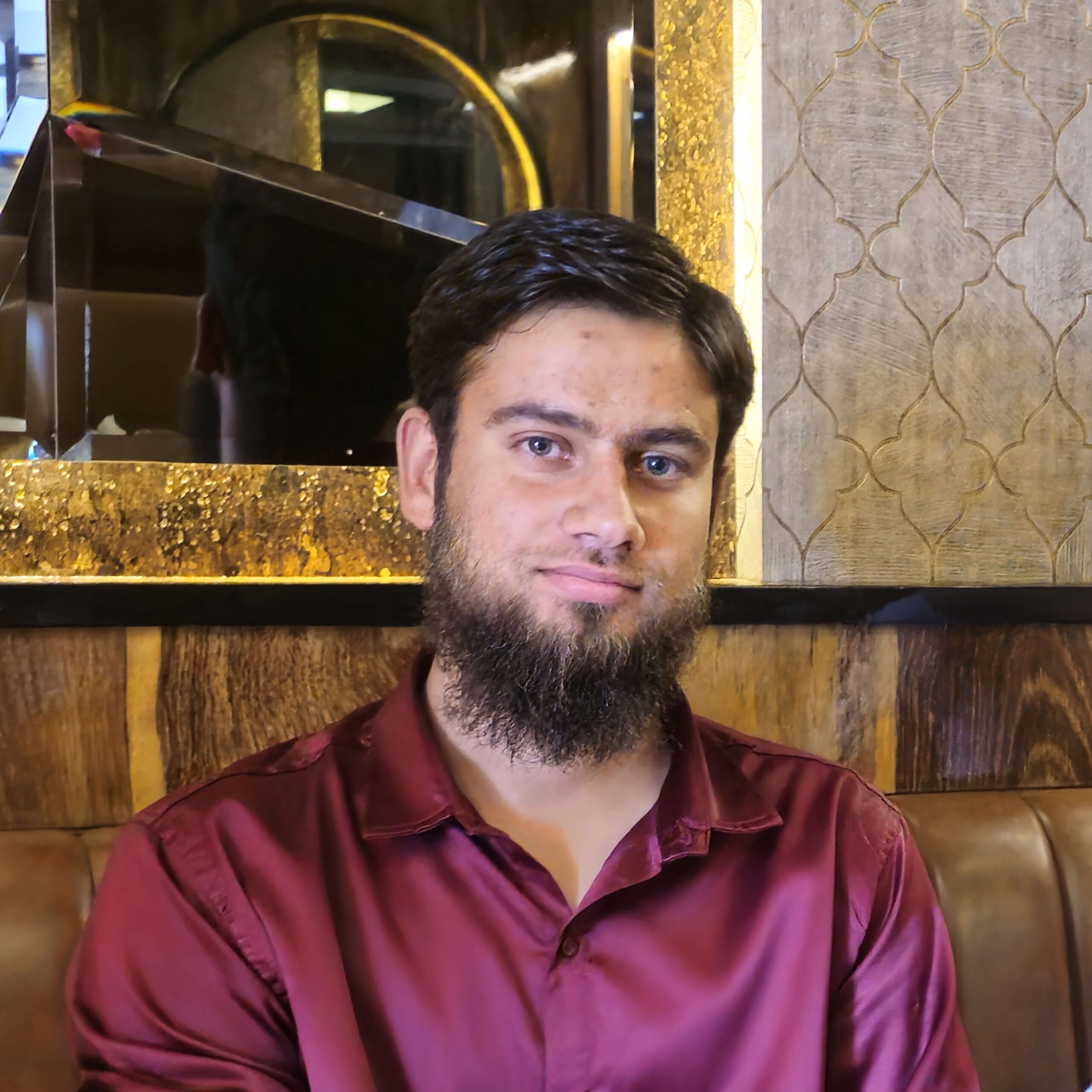
Irfan Rashid
Irfan Rashid is an experienced Search Engine Optimization (SEO) specialist with expertise in website management and content optimization. As a Website Blog Administrator and SEO Specialist, he manages blog operations, optimizes content for search engines, and improves website performance through data-driven SEO strategies. Skilled in WordPress, technical SEO, and content optimization, he focuses on increasing organic visibility and maintaining strong search performance.
You May Also Like
Best Email Marketing Platforms for Small Businesses
Best Customer Support Software for Startups
Best Time Tracking Software for Agencies and Small Teams
Best Cold Email Software Tools for B2B Outreach
Best AI Content Detectors for Businesses
AI Search Visibility for SaaS: The Metrics That Actually Predict Discovery
How to Build a B2B Prospect List Before Your First Outreach Campaign
Link Reclamation: How to Find and Recover Lost Backlinks

23 Best Tech Startups in Finland: The Nordic’s Startup Hall of Fame
Best AI SEO Tools for 2026 (Reviewed and Compared)
Best Link Building Tools for 2026 (Reviewed and Compared)